
How to Identify Pure Shilajit: 10 Signs of Authentic, Lab-Tested Shilajit
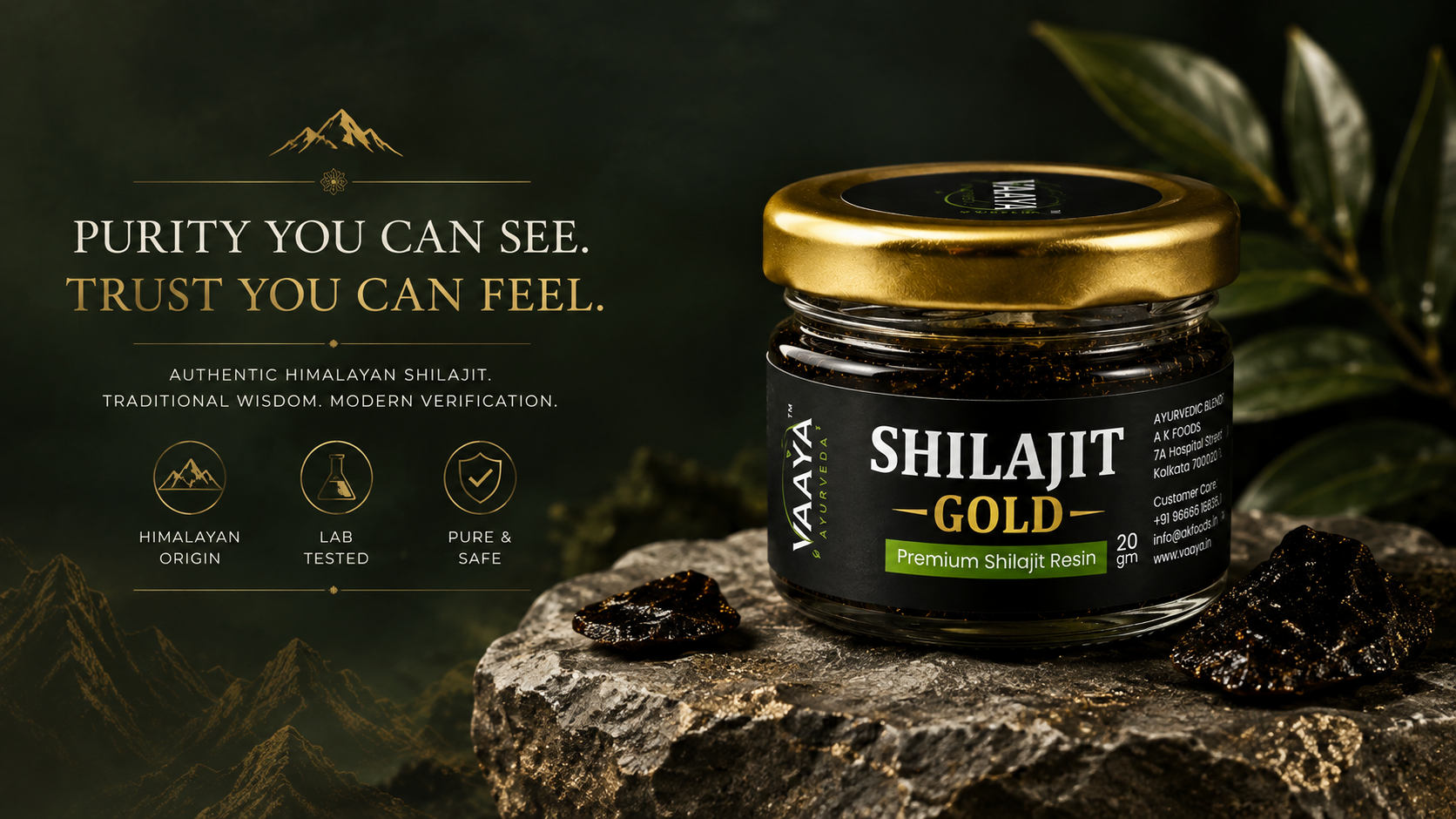
The most reliable way to identify pure Shilajit is not by its colour, smell, or viral internet "home tests." Instead, look for transparent Himalayan sourcing, proper purification, and independent laboratory testing. A reputable brand should openly verify its product for heavy metals, microbial contamination, and quality through third-party reports.
Key Takeaways
- Authentic Shilajit starts with traceable Himalayan sourcing.
- Third-party laboratory testing is the strongest indicator of purity.
- Home tests cannot confirm authenticity or safety.
- Heavy metal screening is essential before consumption.
- Transparent brands openly discuss sourcing, purification, and testing.
- Extremely cheap Shilajit often comes with quality compromises.
- Buying directly from a trusted brand improves traceability.
Why Authenticity Matters
Shilajit has become one of India's most sought-after natural wellness supplements. As demand has increased, so has the number of counterfeit, diluted, and poorly processed products entering the market.
Unlike herbal powders that are cultivated on farms, Shilajit is a naturally occurring mineral-rich resin formed over centuries in high-altitude mountain rocks. Its composition varies depending on geography, climate, altitude, and purification methods.
That natural variation makes quality control extremely important. Authenticity isn't just about getting the expected benefits—it is equally about ensuring safety, consistency, and purity.
1. Look for Traceable Himalayan Sourcing
A trustworthy brand should clearly state where its Shilajit comes from. Look for information about the Himalayan collection region, harvesting practices, processing location, and traceability. Be cautious of vague labels such as "Premium Himalayan Formula" without supporting details.
2. Understand the Purification Process
Raw Shilajit is not consumed directly. In Ayurveda, it traditionally undergoes Shodhana (purification) to remove impurities before use. A transparent manufacturer should explain how purification is carried out and whether traditional methods are followed.
3. Verify Third-Party Laboratory Testing
Independent laboratory testing is arguably the strongest indicator of authenticity. Responsible manufacturers typically test every production batch for heavy metals, microbial contamination, and other quality parameters.
4. Ask for a Certificate of Analysis (COA)
A Certificate of Analysis should ideally include the batch number, testing date, laboratory name, heavy metal analysis, and microbial testing results.
5. Read the Ingredient List Carefully
Pure Shilajit resin should contain only purified Shilajit. Avoid unnecessary fillers, artificial colours, flavours, or sweeteners.
6. Understand the Product Format
Traditional Shilajit is naturally resinous, but capsules and powders can also be high quality if made from authentic, properly purified raw material.
7. Be Wary of Extremely Cheap Products
Authentic Himalayan Shilajit requires responsible sourcing, purification, and quality testing. Extremely cheap products may indicate compromises in quality or authenticity.
8. Avoid Unrealistic Health Claims
Be cautious of products claiming instant results or miracle cures. Responsible brands explain traditional uses while acknowledging current scientific evidence.
9. Don't Rely on Internet Home Tests
Water tests, flame tests, and colour observations cannot verify purity, heavy metal contamination, or microbiological safety. Laboratory analysis remains the gold standard.
10. Choose Transparent Brands
Brands that openly discuss sourcing, purification, laboratory testing, and quality standards generally inspire greater confidence than those relying only on marketing claims.
Frequently Asked Questions
How can I identify genuine Shilajit?
Look for transparent sourcing, proper purification, and independent laboratory testing.
Is the water test reliable?
No. It cannot determine purity or safety.
Why is laboratory testing important?
It verifies contaminants such as heavy metals and microorganisms that cannot be detected visually.
Is resin better than capsules?
Not necessarily. Quality depends on sourcing, purification, and testing rather than the delivery format.
Why does authentic Shilajit cost more?
Responsible sourcing, purification, and quality assurance significantly increase production costs.
Final Thoughts
Authentic Shilajit is defined by evidence—not appearance. Consumers should prioritise brands that openly discuss their sourcing, purification methods, and independent laboratory testing. Transparency is the foundation of trust.
About Vaaya
At Vaaya, we believe wellness begins with trust. Our approach combines traditional Ayurvedic wisdom with transparent Himalayan sourcing, rigorous quality standards, and modern scientific verification to help you make informed wellness decisions.
Sources
- Ministry of AYUSH — https://www.ayush.gov.in/
- FSSAI — https://www.fssai.gov.in/
- NCBI — https://www.ncbi.nlm.nih.gov/
- PubMed: https://pubmed.ncbi.nlm.nih.gov/34800280/
- PubMed: https://pubmed.ncbi.nlm.nih.gov/38393486/
Begin your Shilajit ritual
Vaaya Shilajit is sourced from high-altitude Himalayan rock, purified the traditional Ayurvedic way, and lab-tested for heavy metals. Whether you start with the pure resin, the gold resin, or the travel-friendly capsules, consistency is what changes how you feel.
Questions? Write to us at care@vaayaayurveda.com
Related reading
 Everyday Wellness28 Sept 202610 min read
Your Body Has a Clock: How Daily Routines Affect Your Health
Your body follows a natural 24-hour rhythm that influences when you feel awake, sleepy, hungry and ready to rest. Discover how everyday habits such as morning light, meal timing, movement and consistent sleep can help support your body's internal clock.
Read article Digestive Wellness7 Sept 202611 min read
Dietary Fibre: Why Your Gut Needs More Than Just Roughage
Dietary fibre is more than something that keeps digestion moving. From whole grains and pulses to fruits, vegetables, nuts and seeds, fibre-rich foods can support digestive health and form an important part of a balanced diet.
Read article Healthy Ageing5 Sept 202610 min read
Healthy Ageing: 8 Everyday Habits That Help You Age Well
Ageing is inevitable, but how we age is influenced by many factors. Discover eight practical habits that can support physical health, mental wellbeing, mobility and independence as you grow older.
Read article